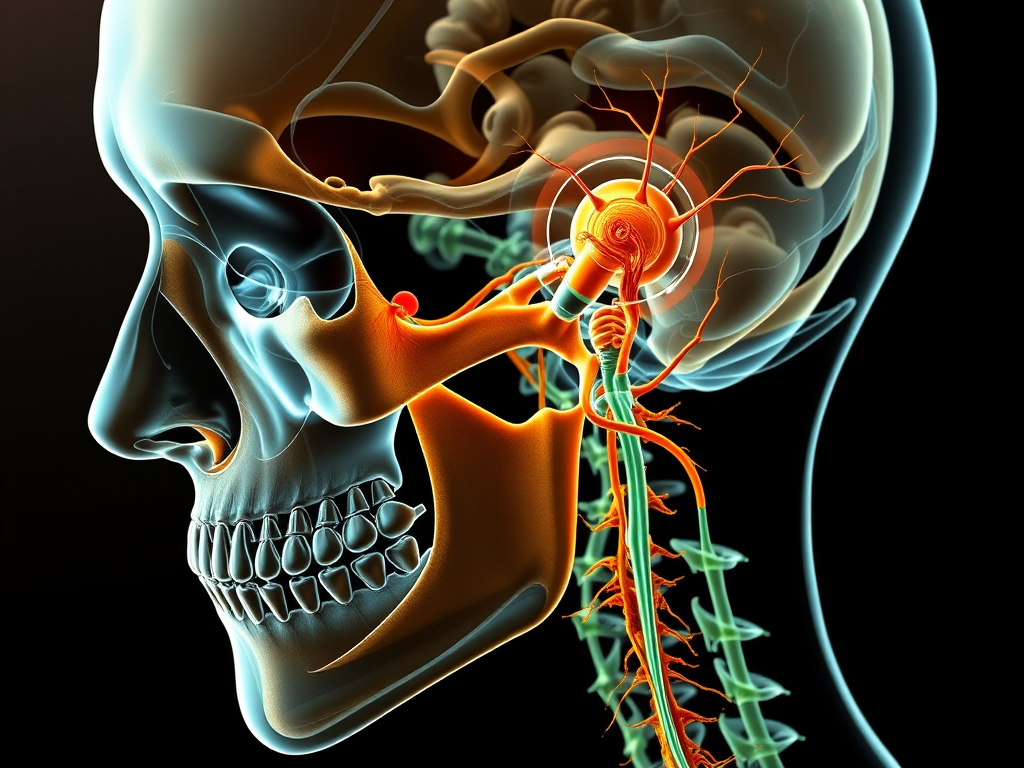
Jaw impairments might seem like an isolated dental issue, but they can play a significant role in triggering and exacerbating headaches. In this post, we’ll explore how conditions affecting the jaw—especially those linked to the temporomandibular joint (TMJ) and associated muscles—can lead to headache pain, what symptoms to watch for, and strategies for relief.
Understanding Jaw Impairments
Jaw impairments encompass a range of conditions that affect the temporomandibular joint (TMJ) and surrounding muscles. Common issues include:
- TMJ Disorders (TMD): These involve pain or dysfunction in the joint connecting your jawbone to your skull. TMD can lead to clicking sounds, limited movement, or jaw locking.
- Bruxism: Often a response to stress or misaligned teeth, bruxism involves clenching or grinding your teeth, which puts strain on the jaw muscles.
- Muscular Tension: Constant tension in the muscles surrounding the jaw can lead to discomfort that radiates beyond the face.
These conditions not only affect your ability to chew and speak comfortably but can also influence the alignment of your head and neck, setting the stage for headache pain.
How Jaw Impairments Trigger Headaches
There are several ways in which a compromised jaw can contribute to headache development:
1. Referred Pain
The TMJ is located very close to several nerves that also service the head and neck. When the joint or surrounding muscles become inflamed or overworked, pain signals can radiate along these nerve pathways. This phenomenon, known as referred pain, means that a problem in the jaw may manifest as a headache in other areas of the head.
2. Muscle Tension and Spasm
When you clench or grind your teeth—whether due to stress, misalignment, or habitual behavior—the muscles in your jaw work overtime. This constant tension can lead to spasms and tightness that ripple into the muscles of the neck and scalp, potentially triggering tension-type headaches.
3. Altered Posture
Jaw impairments can lead to compensatory postural adjustments. For example, if your bite is misaligned, you might tilt your head or hunch your shoulders to minimize discomfort. Over time, these adjustments can strain your neck and upper back, further contributing to headache frequency and intensity.
Recognizing the Symptoms
Headaches related to jaw impairments often have distinctive characteristics:
- Location: Pain may originate near the jaw joint or temple and spread to the head.
- Associated Jaw Pain: Noticeable discomfort, clicking, or popping sounds in the jaw during movement.
- Neck and Shoulder Tension: Often, patients experience tightness in the neck and shoulder muscles.
- Worsening with Activity: Symptoms might intensify with activities that strain the jaw, such as chewing, talking, or even yawning.
If you notice these patterns, it’s worth discussing them with a healthcare provider who can help pinpoint the root cause.
Diagnosis and Treatment Options
Getting a Diagnosis
A comprehensive evaluation typically includes:
- Medical and Dental History: To identify potential stressors, habits like teeth grinding, or previous jaw injuries.
- Physical Examination: A clinician may check the range of motion in your jaw and assess the muscles for tenderness.
- Imaging: In some cases, X-rays or MRI scans are used to examine the joint structure.
Treatment Strategies
Treatment plans for jaw-related headaches are often multidisciplinary:
- Physical Therapy: Exercises and massage can help relieve muscle tension and improve jaw function.
- Dental Interventions: Orthodontics, bite guards, or dental adjustments might be recommended to correct alignment issues.
- Medication: Over-the-counter pain relievers or muscle relaxants can be useful for managing symptoms in the short term.
- Stress Management: Techniques like mindfulness, meditation, or counseling can reduce the stress that often contributes to bruxism and muscle tension.
- Lifestyle Modifications: Adopting habits that promote proper posture and jaw relaxation, such as taking breaks during long periods of concentration or using warm compresses, can be highly beneficial.
Final Thoughts
Jaw impairments and headaches are often intertwined in a complex web of muscle tension, nerve pathways, and compensatory posture. Understanding this connection can empower you to seek targeted treatment, potentially alleviating both jaw discomfort and headache pain. If you experience persistent symptoms, consulting with both dental and medical professionals is a proactive step toward reclaiming your comfort and well-being.
Remember, while self-care and home remedies can offer relief, a tailored treatment plan developed with professional guidance is key to managing these intertwined conditions effectively.
 The Headache Therapist